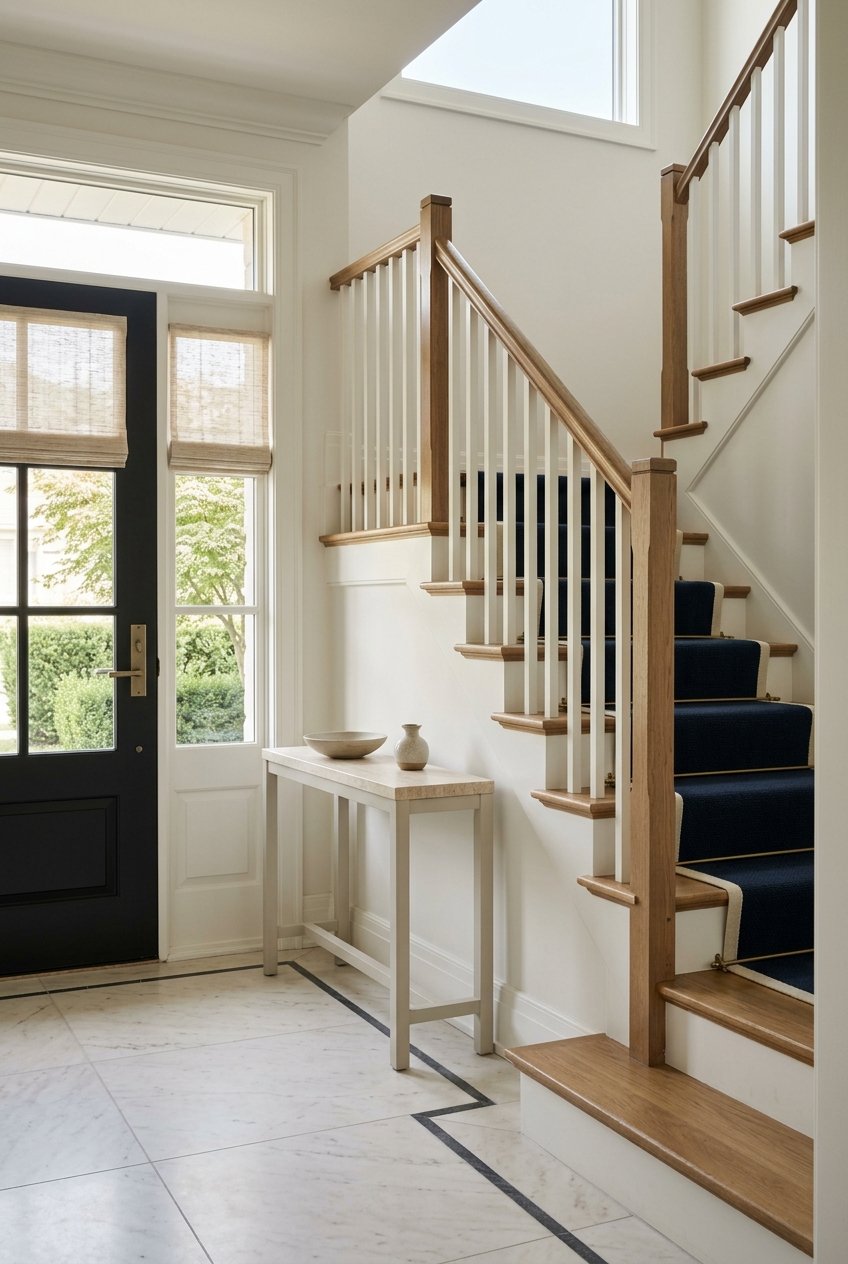
If you are thinking about selling in Chevy Chase, DC, it can be tempting to rush from decision to listing. But in a neighborhood where buyers notice condition, presentation, and details right away, smart preparation can shape both your sale timeline and your final result. A thoughtful plan helps you focus on the updates that matter, avoid unnecessary work, and launch with confidence. Let’s dive in.
Why preparation matters in Chevy Chase
Chevy Chase, DC is a high-value market where well-prepared homes stand out quickly. Redfin reported a median sale price of $1,336,500 and a median 25 days on market in March 2026, while Realtor.com reported a median listing price of $1,407,000 and homes selling at about 100% of list price on average that same month.
That kind of market does not mean you can skip preparation. It means buyers are paying close attention. In a mature neighborhood with a mix of single-family homes, townhouses, and apartment clusters, condition and presentation are easy to compare from one listing to the next.
If you have owned your home for many years, you are not alone. The National Association of Realtors reported in 2025 that the typical seller had owned their home for 11 years, and 91% of sellers used a real estate agent. That supports what many longtime owners already feel: selling usually goes better with a clear strategy and steady guidance.
Start with the visible basics
Before you think about a major renovation, focus on the items buyers will see and feel first. Clean lines, fresh finishes, and a cared-for appearance can reduce hesitation right away.
According to NAR’s 2025 Remodeling Impact Report, the projects agents most often recommend before listing are painting the entire home, painting one room, and new roofing. The same report also noted strong buyer demand for kitchen upgrades, new roofing, and bathroom renovations.
In practical terms, that means your first priority is often not a full gut job. It is usually smarter to refresh dated paint, repair obvious wear, improve lighting, and update small details like hardware if they make the home feel more current and better maintained.
Which updates are usually worth it
Not every home needs the same level of work. The right prep plan depends on your home’s condition, your likely price point, and how your property compares with other Chevy Chase listings.
A targeted approach often includes:
- Fresh paint in the most visible rooms
- Repairs for scuffed walls, worn trim, or damaged flooring
- Brighter lighting in darker spaces
- Updated cabinet hardware or door hardware
- Roofing attention if the roof is visibly aging or has known issues
- Select kitchen or bathroom improvements if those rooms feel noticeably dated
One detail from the NAR report is especially useful: a new steel door showed the highest cost recovery in the report at 100%. That does not mean every seller should replace a door, but it does show that practical, confidence-building improvements can pay off.
Should you renovate the kitchen before selling?
Usually, this should be a selective decision, not an automatic one. Kitchen upgrades have seen strong demand, but the research does not suggest that every seller needs a full kitchen remodel before listing.
Instead, ask a more useful question: Will a targeted update change how buyers feel about the home? In many cases, painted walls, improved lighting, updated hardware, and a cleaner, less crowded layout can do more for buyer perception than an expensive renovation that adds time and stress.
If your kitchen is functional but dated, modest improvements may be enough. If it has visible damage, worn finishes, or features that strongly affect first impressions, a more focused upgrade may make sense.
Decluttering is about reducing friction
Many sellers hear “declutter” and picture stripping the home of personality. That is not the goal. The goal is to help buyers see the space clearly and move through it without distraction.
The 2025 NAR Profile of Home Staging found that 83% of buyers’ agents said staging made it easier for buyers to visualize a home. That matters because your home needs to feel welcoming, spacious, and easy to understand from the first photo to the final showing.
In most homes, decluttering means:
- Removing overly personal items
- Clearing kitchen and bathroom counters
- Simplifying bookshelves and tabletops
- Editing furniture so rooms feel open
- Brightening darker areas with better lighting or lighter styling
- Organizing closets and storage areas so they read as functional
This is especially important in a neighborhood like Chevy Chase, where buyers may be comparing several well-located homes in a similar price range. The easier your home is to read, the easier it is for buyers to imagine themselves there.
Stage the rooms that matter most
If you are deciding where to focus your effort, start with the rooms buyers notice most. NAR’s 2025 staging research found that the most commonly staged rooms were the living room, primary bedroom, and dining room.
Those spaces often shape the emotional tone of a listing. They help buyers picture daily life, entertaining, and comfort. If you cannot stage every room, prioritizing these areas can be a smart way to strengthen your overall presentation.
A thoughtful seller-prep plan often puts extra attention on:
- The front entry and first impression
- The main living room
- The primary bedroom
- The dining room
- The kitchen
- Any room featured prominently in listing photos
Photos matter more than ever
Your listing does not begin when someone walks through the front door. It begins online. NAR reported that 81% of buyers rated listing photos as the most useful feature in an online home search, and about half of buyers found the home they purchased online.
That makes launch-week presentation critical. If your home is not fully ready before photos are taken, you may miss the best moment to create interest.
This is one reason rushed listings often underperform. You usually get one clean chance to make a strong first impression, and the homes that look polished, bright, and move-in ready in photos often generate more immediate attention.
Handle paperwork early
Seller preparation is not only about how the home looks. It is also about being ready for buyer questions, disclosures, and inspections.
In DC, most owner-occupied sales of one to four residential units require a real property disclosure statement. Under DC law, that statement must be delivered before or at the time the buyer signs the purchase agreement.
If your home was built before 1978, federal law also requires lead-based paint disclosures. That includes known lead information, available records or reports, a lead warning statement, the EPA/HUD pamphlet, and an opportunity for the buyer to test for lead hazards before becoming obligated under contract.
To make the process smoother, it helps to gather key records before listing, including:
- Past renovation records
- Permit documentation
- Warranties
- Appliance manuals
- Repair invoices
- Lead-related paperwork, if applicable
Having these materials ready can save time later and reduce avoidable stress once buyers begin asking questions.
Know the permit rules before doing work
If you are planning pre-sale improvements, it is smart to check permit requirements before hiring vendors. DC’s Department of Buildings says many cosmetic finish items, including painting, papering, tiling, carpeting, cabinets, and countertops, generally do not require a building permit unless the property is in a historic district.
DC’s 2026 instant-permit system also covers certain limited scopes of work, including in-kind replacement of up to 15 windows and some exterior-door work. But properties in historically designated areas need a Historic Property - Special Permit, and any work in public space requires a separate public-space permit.
For Chevy Chase sellers, this matters because older homes and historically sensitive properties may need extra planning. If your home falls into one of those categories, starting early can help you avoid delays that push back your listing date.
How far ahead should you start?
If you only need minor touch-ups, you may not need a long runway. But if you are coordinating repairs, evaluating updates, gathering records, and preparing for photos, it is wise to start months ahead rather than weeks ahead.
That gives you time to make good decisions instead of rushed ones. It also gives you room to handle vendor schedules, possible permit needs, and the many small details that help a home feel polished when it goes live.
In a market like Chevy Chase, thoughtful preparation is rarely wasted effort. It is often the difference between simply listing a home and bringing it to market in a way that feels clear, confident, and compelling.
If you are preparing to sell in Chevy Chase, a calm, strategic plan can help you decide what to fix, what to leave alone, and how to present your home in its best light. When you are ready for thoughtful guidance, connect with Laurie Rosen.
FAQs
What home updates matter most before selling in Chevy Chase, DC?
- The most commonly recommended pre-listing projects are painting the entire home, painting one room, and new roofing, with kitchen and bathroom updates often treated as selective projects rather than automatic must-dos.
Should I remodel my kitchen before selling a Chevy Chase home?
- Not always. Kitchen upgrades can be worthwhile, but many sellers benefit more from targeted improvements like paint, lighting, hardware, and repairs instead of a full remodel.
What rooms should I stage first before listing in Chevy Chase, DC?
- The living room, primary bedroom, and dining room are the most commonly staged rooms, and they often have the biggest impact on how buyers picture the home.
Do I need disclosures when selling a home in Washington, DC?
- Yes. Most owner-occupied sales of one to four residential units require a real property disclosure statement, and pre-1978 homes also require lead-based paint disclosures under federal law.
Do cosmetic updates require permits in Chevy Chase, DC?
- Many cosmetic items such as painting, papering, tiling, carpeting, cabinets, and countertops generally do not require a building permit in DC unless the property is in a historic district.
Should I start preparing my Chevy Chase home months before listing?
- Yes. If you need repairs, permits, staging, records, or professional photography, starting months ahead can make the process smoother and help you launch in a stronger position.