Wondering whether Cleveland Park checks the right boxes for your next home? If you want a neighborhood that feels established, walkable, and connected, but not overly commercial, Cleveland Park deserves a close look. For many buyers, the real question is not whether the area is appealing, but whether its housing mix, pace, and price points line up with how you actually want to live. Let’s take a closer look.
Cleveland Park at a Glance
Cleveland Park is one of Ward 3’s historic close-in northwest neighborhoods. According to the DC Office of Planning, it follows a village-style pattern with a commercial core, denser apartment buildings and townhouses nearby, and single-family homes farther out.
That layout helps explain why the neighborhood feels layered. You can be close to shops, restaurants, and Metro access on Connecticut Avenue, then move onto quieter residential streets with a more tucked-away feel.
The neighborhood also has deep roots. Historic district documentation notes that Cleveland Park developed as a streetcar suburb, with most houses built between 1894 and 1930 and major apartment and retail construction taking place from 1920 to 1941.
Why Buyers Consider Cleveland Park
For many buyers, Cleveland Park offers a hard-to-find balance. It feels close-in and practical for daily life, but it also has the established character that newer areas often cannot replicate.
If you are comparing neighborhoods in upper northwest DC, Cleveland Park often stands out for four reasons:
- Historic housing and neighborhood character
- Strong walkability for errands and dining
- Direct Red Line access
- Quick access to outdoor space and civic amenities
The overall feel is more neighborhood-scaled than heavily retail-driven. The DC Office of Planning contrasts it with Friendship Heights, which evolved into a more regional shopping destination, while Cleveland Park remains more village-like and residential in feel.
Housing Options in Cleveland Park
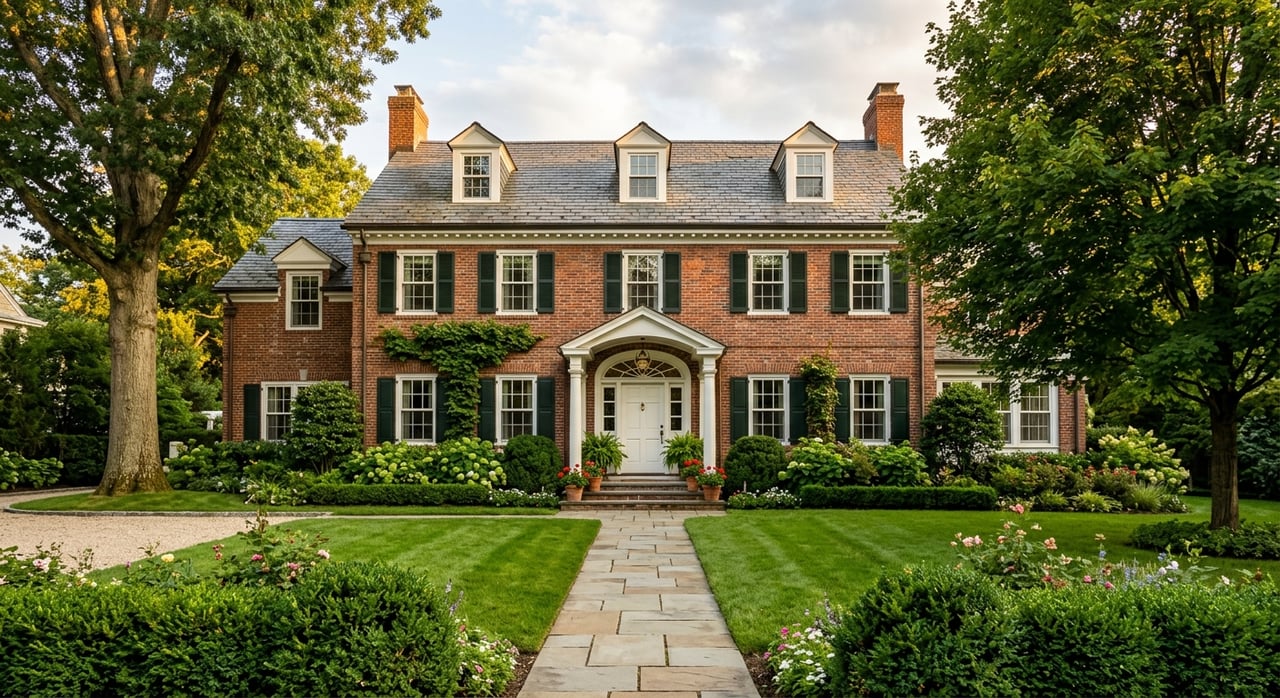
One of the most important things to know is that Cleveland Park is not a one-size-fits-all housing market. The neighborhood includes apartments, townhouses, and single-family homes, which creates a broad range of pricing, layouts, and ownership styles.
That variety can be a real advantage if you are trying to match your budget and lifestyle. A first-time buyer may focus on a condo or co-op option, while another buyer may be searching for a larger historic home on a quieter street.
Because of that mix, neighborhood-wide price snapshots can look very different depending on the source. Zillow reports an average home value of $675,522 as of March 31, 2026, while also showing a median list price of $385,833 and 36 homes for sale. Realtor.com, using a different methodology, reports 47 homes for sale, a median asking price of $495,000, median days on market of 56, and a 97% sale-to-list ratio in March 2026.
What the Price Signals Mean
The headline numbers suggest a market with inventory and meaningful variation rather than a single clear price tier. In practical terms, that means you should expect the value of a specific home to depend heavily on property type, size, condition, and exact location within the neighborhood.
For buyers comparing nearby options, Cleveland Park may also offer an appealing middle ground. Zillow’s nearby neighborhood index places Woodley Park at $845,705 and North Cleveland Park at $1,447,115, which suggests Cleveland Park may come in below some immediate close-in northwest alternatives.
That does not make Cleveland Park inexpensive across the board. It simply means that if you want close-in northwest character, transit access, and a more established residential setting, you may find more range here than in some neighboring areas.
Transit and Commuting Basics
Cleveland Park is a Red Line neighborhood, which is a major draw for many buyers. WMATA lists Cleveland Park as a Red Line station and notes that the station has an accessible east-side elevator entrance, bike share access, and 8 bike racks.
Just as important, WMATA states there is no station parking. If you are hoping for a park-and-ride setup, that may be a drawback. If you prefer to walk, bike, or use transit as part of your daily routine, it may matter far less.
For broader context, WMATA says the Metrorail system serves 98 stations across DC, Maryland, and Virginia, with trips between any two stations requiring no more than one transfer. That makes Cleveland Park a practical base if you want access across the region without relying on a car for every trip.
Walkability and Daily Convenience
Cleveland Park performs especially well if your goal is to make daily life easier. The Washington DC Economic Partnership neighborhood profile gives it a Walk Score of 89 and labels it Very Walkable.
The same profile shows a mixed commute pattern: 27% of residents used public transportation, 25% drove alone, and 36% worked at home. That mix suggests the neighborhood works well for transit-oriented households, hybrid workers, and buyers who want flexibility in how they move through the week.
There is one tradeoff to keep in mind. Connecticut Avenue is busy, with traffic counts around 27,600 to 28,300, so the main corridor has more activity than the interior streets.
Lifestyle: What It Feels Like to Live Here
Cleveland Park’s appeal is not just about housing or Metro access. It is also about how the neighborhood supports everyday routines.
The Cleveland Park Library, rebuilt in 2018 with extensive community input, sits at 3310 Connecticut Ave NW. FRESHFARM’s Cleveland Park market runs on Saturdays from April 4 to December 19, from 9 a.m. to 1 p.m., at 3400 Connecticut Ave NW, and is described as a neighborhood staple with local produce, meats, and prepared foods.
The retail corridor also adds to the neighborhood’s daily ease. The Washington DC Economic Partnership highlights long-running businesses like Sababa, Spices Asian Restaurant, and Vace Italian Deli, along with newer additions such as Little Blackbird Wine Bar, Fresh Baguette, and Thai Love.
That combination gives the area a lived-in, neighborhood-serving feel. It feels active without reading like a large entertainment district.
Green Space and Outdoor Access
If outdoor access matters to you, Cleveland Park has a lot going for it. The Smithsonian National Zoo notes that its main pedestrian entrance sits about halfway between the Cleveland Park and Woodley Park-Zoo/Adams Morgan stations.
Rock Creek Park is another major asset nearby. The National Park Service says the park spans 1,754 acres and offers more than 32 miles of hiking trails.
For buyers who want urban convenience but do not want to feel boxed in by pavement and traffic all week, that combination can be a real advantage. You have access to city amenities and meaningful green space in close reach.
Who Cleveland Park May Suit Best
Cleveland Park is often a strong fit if you want:
- Historic character instead of primarily new-build housing
- A walkable neighborhood with daily conveniences nearby
- Red Line access for commuting or car-light living
- A close-in northwest DC location with a residential feel
- Housing options that range from apartments to single-family homes
It may be especially appealing if you work from home part of the week, use Metro regularly, or want a neighborhood that feels established and connected rather than fast-changing.
When Cleveland Park May Not Be the Best Fit
No neighborhood is right for everyone. Cleveland Park may be less compelling if your top priorities include large lots, abundant station parking, or a newer housing stock with a more modern development pattern.
The area’s historic housing base is part of its appeal, but it also means you are often choosing character and location over brand-new construction. And because the Metro station has no parking, buyers who rely heavily on that setup may want to weigh the tradeoff carefully.
How Cleveland Park Compares Nearby
If your shortlist includes other close-in northwest neighborhoods, Cleveland Park often lands in a sweet spot. It shares the village-style pattern found in Woodley Park, North Cleveland Park/Forest Hills, and the DC portion of Chevy Chase, according to the DC Office of Planning.
What sets it apart is the balance. It feels more residential and neighborhood-scaled than a stronger regional retail hub, while still offering walkability, transit access, and an active commercial strip.
For some buyers, that middle-ground quality is exactly the point. You are not choosing an isolated residential pocket, and you are not stepping into a highly commercial environment either.
The Bottom Line on Fit
If you are looking for a neighborhood with historic roots, practical daily convenience, strong transit access, and a classic close-in DC feel, Cleveland Park is easy to shortlist. Its housing mix creates flexibility, its Red Line location supports a range of commute styles, and its library, retail corridor, market, zoo access, and proximity to Rock Creek Park give daily life real texture.
The right fit comes down to what matters most to you. If you value walkability, character, and an established village-like setting, Cleveland Park may be one of the more compelling options in close-in northwest Washington.
If you want help weighing Cleveland Park against other close-in DC neighborhoods, Laurie Rosen offers thoughtful buyer and seller guidance rooted in deep local knowledge and a calm, highly personal approach.
FAQs
Is Cleveland Park in DC a good fit for buyers who use Metro?
- Yes. Cleveland Park is on the Red Line, and WMATA identifies it as a practical station for the upper Connecticut Avenue area. It can work especially well if you prefer walking, biking, or transit over driving everywhere.
Is Cleveland Park a walkable neighborhood for daily errands?
- Yes. The Washington DC Economic Partnership gives Cleveland Park a Walk Score of 89 and describes it as Very Walkable, with a commercial corridor that supports day-to-day convenience.
What types of homes are available in Cleveland Park?
- Cleveland Park includes apartments, townhouses, and single-family homes. That mix creates a broad range of price points, sizes, and living styles.
Is Cleveland Park more residential or commercial in feel?
- Cleveland Park generally feels more residential and village-like than heavily commercial. The main corridor is active, but interior streets tend to feel quieter and more residential.
Is Cleveland Park a good option if you want outdoor access?
- It can be. The neighborhood offers convenient access to the National Zoo and to Rock Creek Park, which includes more than 32 miles of hiking trails.
Is Cleveland Park the most expensive close-in northwest DC neighborhood?
- Not necessarily. Zillow’s nearby neighborhood index places Cleveland Park below Woodley Park and well below North Cleveland Park, though actual prices still vary widely by property type, size, and condition.