Wondering how to go from years of family memories to a confident listing plan in Chevy Chase? You are not alone. For many longtime owners and families handling an inherited property, the biggest question is not whether to sell, but how to prepare the home thoughtfully without taking on a full renovation. The good news is that in Chevy Chase, careful preparation often matters more than remodeling everything. Let’s dive in.
Why Chevy Chase Requires Strategy
Chevy Chase is not a one-size-fits-all market. It is a historically significant area, described by Montgomery Planning as a turn-of-the-century suburb, and Chevy Chase Village identifies itself as a historic community of 720 homes. That character can be a real advantage when you sell, but it also means your home’s condition, paperwork, and presentation deserve close attention.
Pricing also varies across the area, which is why broad assumptions can be risky. Zillow places the broader Chevy Chase average home value at $1,255,732, with homes going pending in about 14 days, while Chevy Chase Village is closer to $2,384,682. Redfin’s three-month snapshot ending May 2026 reports a median sale price of $1.314 million and about 19 days on market.
That sounds fast, but speed should not replace planning. Countywide data from GCAAR for April 2026 showed an average sold-to-list ratio of 99.9% and average days on market of 27 in Montgomery County. In other words, buyers are active, but sellers still benefit from pricing well, presenting the home cleanly, and reducing avoidable friction.
Start With What Buyers Notice First
If you have lived in your home for many years, it is easy to assume you need a major overhaul before listing. In most cases, you do not. A selective, well-organized preparation plan usually delivers better value than a rushed full remodel.
Staging can play a big role here. The National Association of Realtors reported in 2025 that 83% of buyers’ agents said staging made it easier for buyers to visualize a property as their future home. The same report found that 29% of agents said staged homes saw a 1% to 10% increase in the dollar value offered.
The goal is not to erase your home’s personality. The goal is to help buyers focus on space, light, flow, and condition. In a place like Chevy Chase, where many homes have charm and architectural detail, that balance matters.
Focus on High-Impact Spaces
The most commonly staged rooms are the living room, primary bedroom, dining room, and kitchen. If you want to prioritize your time and budget, those are smart places to begin.
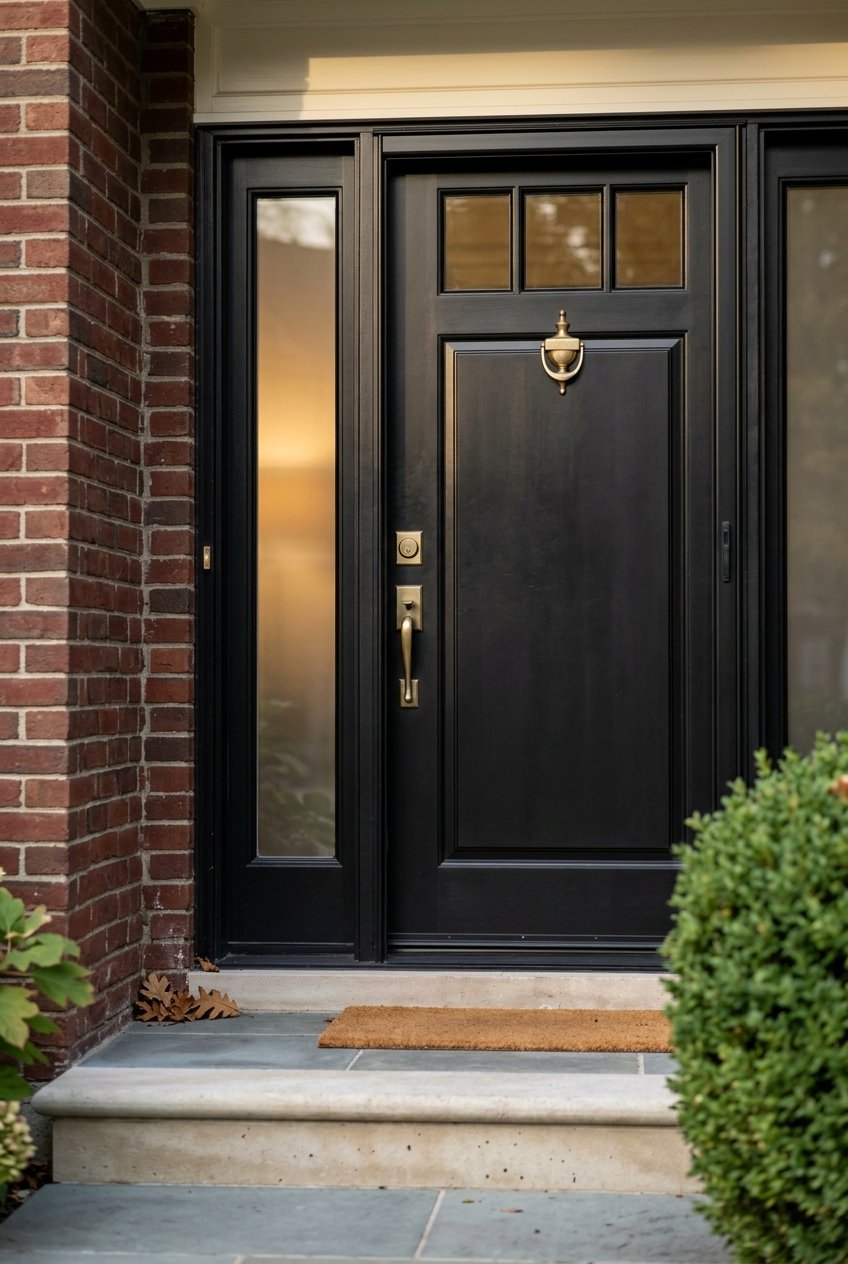
You can also make a strong first impression by improving curb appeal and clearing visual clutter. A clean front entry, trimmed landscaping, and a lighter furniture layout can make the home feel more open and cared for. That often helps buyers feel more confident from the moment they walk in.
Simple Prep Steps That Matter
Before listing, focus on the basics that help your home show well:
- Pack away personal items
- Thin out closets and storage areas
- Remove bulky or extra furniture
- Deep clean the home
- Freshen the front door and entry area
- Tidy the main living spaces, kitchen, and primary suite
These steps may sound simple, but they can have an outsized impact. They help buyers see the home itself, not the work they think they will need to do.
Fix the Right Things First
A smart selling plan usually starts with issues that affect buyer confidence. Safety concerns, visible maintenance problems, and items likely to appear in disclosures should come before cosmetic wish-list projects.
Maryland’s property disclosure form asks about material defects and conditions involving areas such as moisture, roofing, plumbing, electrical systems, hazardous materials, and prior improvements. That means it is wise to identify known issues early and decide what to address before the home hits the market.
If your house has had updates over the years, this is also the time to gather records. Old invoices, warranties, and permit documentation can make a real difference. It is much easier to organize those papers before listing than to scramble once a buyer starts asking questions.
Avoid Over-Renovating
In a high-value market, some sellers assume they must fully modernize to compete. That is not always true. Often, thoughtful updates, polished presentation, and clear documentation do more to support a strong sale than a large renovation project completed under pressure.
This is especially true for longtime family homes. Buyers may be very open to a house with older finishes if it feels well maintained, clean, and honestly represented. Preparation should reduce hesitation, not create unnecessary cost.
Confirm Key Maryland and Montgomery County Requirements Early
One of the easiest ways to keep a sale on track is to start the paperwork side early. Chevy Chase sellers may need to deal with state, county, and property-specific requirements, and it is much easier to handle them before you are under contract.
Maryland Disclosure or Disclaimer Forms
Maryland requires sellers in applicable residential transactions to use the state disclosure or disclaimer statement. The form is based on your actual knowledge, not on a separate inspection you must order yourself.
The form specifically asks about topics such as permits for improvements, flood-zone or historic-district status, homeowners association restrictions, and material defects. If you know your home has had additions, exterior work, or major system changes, it helps to confirm the paper trail early.
Montgomery County Energy Disclosure
Montgomery County has an additional rule for certain owner-occupied single-family homes and individually metered condos. Before contract, the seller must provide 12 months of utility bills or usage history, along with county-approved energy-efficiency information.
The county notes that an energy audit is not required. If the property was unoccupied for the full prior 12 months, the utility-history requirement may not apply. This is a detail worth checking early so there are no surprises later.
Lead-Based Paint Rules for Older Homes
If the home was built before 1978, federal lead-based paint rules apply. Sellers must disclose known lead-based paint information, provide the required pamphlet and available records, and give buyers a 10-day opportunity to test for lead.
Sellers are not required to conduct or pay for a lead inspection before the sale. If you plan to do renovation work that could disturb painted surfaces before listing, EPA recommends using a lead-safe certified contractor.
Historic District Review
Because Chevy Chase includes historically important areas, some properties may be in a historic district or listed as a historic resource. In those cases, exterior work may require a Historic Area Work Permit.
Montgomery Planning states that this can apply to exterior alterations, additions, window changes, porch work, masonry changes, and similar projects. If you are considering pre-listing improvements on the exterior, confirm whether review is needed before scheduling the work.
Selling an Inherited Home in Chevy Chase
Inherited sales often come with more emotion and more logistics. Along with preparing the house itself, you may also be sorting belongings, coordinating family decisions, and working through estate administration.
In Maryland, probate is the legal process of transferring property from the deceased to heirs. Maryland Courts explains that the Register of Wills or Orphans’ Court appoints the personal representative, and the letters of administration provide the authority to handle the estate.
Expect More Moving Parts
When a sale involves an estate, timing can be less straightforward than with a standard listing. Maryland Courts notes that estates can take longer when real property needs to be sold.
That is why inherited-home sales often require a more coordinated plan. Probate authority, title review, cleanup, scheduling vendors, and the listing timeline all need to work together.
Disclosure Rules May Be Different
Maryland excludes transfers by a fiduciary in the administration of a decedent’s estate from the standard seller disclosure requirement. That can simplify one piece of the paperwork, but it does not remove the need for clear records and careful communication.
If you are selling an inherited home, it still helps to gather whatever documentation you can about the property’s condition, repairs, and improvements. Good organization helps reduce delays and buyer uncertainty.
A Practical Selling Plan for Longtime Owners
If you are preparing to sell a family home in Chevy Chase, the strongest approach is usually calm and selective. You do not need to do everything at once, and you do not need to renovate every room to attract serious buyers.
A better plan is to move step by step, focusing first on what will protect value and make the process smoother.
A Smart Sequence to Follow
Consider this order of operations:
- Gather important records, including permits, warranties, invoices, and utility history
- Identify known repair or disclosure issues
- Confirm whether lead or historic review rules may apply
- Declutter and remove excess furniture
- Deep clean and improve curb appeal
- Stage the most visible living spaces
- Price and launch with a strategy tailored to your specific Chevy Chase micro-market
This kind of sequence helps you avoid spending in the wrong places. It also supports a more confident market debut, which is especially important in an area where buyers notice detail.
Why Preparation Matters More Than Perfection
In Chevy Chase, buyers may move quickly, but they still respond to clarity and confidence. A house that feels clean, well cared for, and well documented often creates less hesitation than a house with expensive updates but unanswered questions.
That is why the path from family home to listing is not really about chasing perfection. It is about presenting the property honestly, highlighting its strengths, and making the sale process easier for everyone involved.
If you are thinking about selling in Chevy Chase, whether it is a longtime residence or an inherited property, a thoughtful plan can make a meaningful difference. When preparation is handled well, you can move forward with less stress and a clearer sense of what matters most.
If you are ready to talk through timing, preparation, and the right next steps for your home, Laurie Rosen offers thoughtful seller guidance rooted in local experience and careful planning.
FAQs
What should longtime homeowners do first before selling in Chevy Chase?
- Start by gathering records, identifying known repair issues, and making a plan for decluttering, cleaning, and staging the spaces buyers notice most.
Do Chevy Chase sellers need to fully renovate before listing?
- No. In many cases, selective repairs, clean presentation, and strong staging are more effective than a full remodel.
What disclosure forms are required for a Maryland home sale?
- In applicable residential transactions, Maryland requires a seller disclosure or disclaimer statement based on the seller’s actual knowledge of the property.
What is the Montgomery County energy disclosure for sellers?
- For certain owner-occupied single-family homes and individually metered condos, sellers must provide 12 months of utility bills or usage history and county-approved energy-efficiency information before contract.
What should sellers of pre-1978 homes in Chevy Chase know?
- If the home was built before 1978, sellers must disclose known lead-based paint information, provide the required pamphlet and records, and allow buyers a 10-day opportunity to test.
Do historic Chevy Chase homes need special approval for exterior work?
- Some do. If the property is in a historic district or is a listed historic resource, certain exterior changes may require a Historic Area Work Permit.
How is selling an inherited home in Maryland different?
- Inherited-home sales can involve probate authority, estate coordination, title review, property cleanup, and a more complex timeline than a standard sale.